
A privacy policy is a legal document explaining how DarkSphere collects, uses, stores, and shares user data on its dark web platform, serving as a transparency requirement under laws such as the GDPR effective since May 2018 and the CCPA amended by the CPRA from January 2023. It must detail data categories, purposes, retention periods limited to what is necessary, consumer rights including access and deletion, and at least two request methods. Non-compliance risks fines up to €20 million or 4% of global turnover.[1][2][3][2]
Privacy Policy Comparison and Red Flags Checklist
| Aspect | Common Dark Web Practices | DarkSphere Approach | Privacy Red Flags |
|---|---|---|---|
| Data Collection | Collects extensive personal data | Minimal data collection | Vague language on data usage |
| User Tracking | Tracks user behaviour | No tracking or analytics | Promises of no tracking but unclear |
| Data Sharing | Shares data with third parties | No data sharing | Unclear third-party sharing policies |
| Retention Period | Keeps data indefinitely | Limited to necessary duration | Lack of clear retention policies |
| Consumer Rights | Limited rights disclosure | Comprehensive rights outlined | Missing rights information |
| Compliance Risks | High fines for non-compliance | Strict adherence to laws | No mention of compliance risks |
What Is a Privacy Policy and Why It Matters for Dark Web Users
A privacy policy is a legal document that outlines how a platform, such as DarkSphere, collects, uses, stores, and shares users' Personally Identifiable Information (PII). Legally mandated in most jurisdictions, these policies are essential for transparency and user trust[1]. In the context of the dark web, where anonymity is paramount, a clear privacy policy becomes even more critical. It informs users about their rights and the measures in place to protect their data, which can directly impact their security and trust in the platform.
The role of a privacy policy extends beyond mere compliance; it serves as a foundational element of user trust. When users understand how their data is handled, they are more likely to engage with the platform. For instance, under the General Data Protection Regulation (GDPR), organisations must provide detailed information about data categories, purposes of collection, and user rights[1]. Similarly, the California Consumer Privacy Act (CCPA) requires businesses to disclose their data practices and consumer rights, including access and deletion options[2].
Unclear or violated privacy policies can lead to severe consequences. For example, BetterHelp faced a $7.8 million settlement in 2023 after it shared sensitive health data with advertisers, despite its privacy policy stating it would not do so[3]. Additionally, Netflix was fined €4.75 million because its policy failed to clearly explain how personal data was processed, leading to significant regulatory actions[4]. These examples highlight the importance of clear, concise privacy policies that protect users and uphold their rights, especially in the complex landscape of the dark web.
How We Collect Your Data on DarkSphere
DarkSphere employs various methods to collect data from its users, focusing on maintaining privacy while ensuring functionality. The types of information collected can generally be classified into three categories: personal, usage, and technical data.
Personal data refers to any information that can identify an individual. This includes usernames, email addresses, and payment information. In the context of DarkSphere, minimal personal data is collected, primarily to facilitate account creation and transaction processing. It is essential to note that sensitive personal data, such as government identification numbers or health-related information, is not collected, aligning with data minimization principles[5].
Usage data encompasses information about how users interact with the platform. This includes logs of user activity, time spent on various sections, and actions taken within the site. Such data is collected to enhance user experience and improve services. However, DarkSphere does not track individual user behaviour in a manner that could compromise anonymity. For instance, while general usage statistics may be gathered, they are aggregated and anonymised to prevent identification[6].
Technical data involves information about the devices and networks used to access DarkSphere. This may include IP addresses and browser types. The platform employs onion routing techniques to ensure that users remain anonymous while accessing content. However, IP addresses are not stored in a way that links them to individual users, maintaining compliance with legal standards such as GDPR and CCPA[1][2].
To clarify common misconceptions, DarkSphere does not collect data for advertising or marketing purposes, nor does it share any user information with third parties. This commitment to privacy is crucial in a dark web environment where anonymity is paramount. Users can navigate the platform confidently, knowing that their data is handled with the utmost care and in accordance with legal requirements.
For more information on ensuring safe access to the dark web, consider exploring resources like the Tor Browser [Tor Browser Online: Access the Dark Web Safely].
How We Use and Process Your Data
DarkSphere processes user data primarily for three purposes: service provision, security enhancement, and platform improvement. Each of these purposes aligns with data minimisation principles, ensuring that only necessary information is collected and used.
Service provision involves using Personally Identifiable Information (PII) to facilitate account creation, manage transactions, and provide customer support. For instance, usernames and email addresses are essential for account identification and communication. This data is minimal, adhering to the principle of collecting only what is necessary for the intended service[5].
Security is another critical aspect of data processing. DarkSphere uses anonymised data to monitor and prevent fraudulent activities. For example, general usage patterns can be analysed to identify unusual behaviours that may indicate a security threat. This method ensures that individual user identities remain protected while maintaining the integrity of the platform.
Improvement of services relies on aggregated user data to enhance user experience. For instance, feedback on site navigation or feature usage is collected anonymously, allowing the platform to refine its offerings without compromising user identity. This approach supports continuous improvement while respecting user privacy[6].
Data minimisation is a core principle embedded in our operations. According to GDPR regulations, data should only be retained as long as necessary for processing purposes, with exceptions only for archiving or research under strict safeguards[7]. DarkSphere ensures compliance with this principle by regularly reviewing data retention practices and deleting unnecessary information.
Users should be aware that internal data usage differs from anonymised data processing. Internal usage may involve identifiable data for support and operational purposes, while anonymised data is strictly used for analysis and improvement, eliminating any risk of tracing back to individual users.
In summary, DarkSphere prioritises user privacy by adhering to data minimisation principles and ensuring that all data processing activities are transparent and necessary for service provision, security, and improvement.
Data Sharing and Third-Party Disclosures
DarkSphere prioritises user privacy and does not share user data with third parties except under specific legal obligations. This means that user data is never sold or shared for advertising purposes. Data may be disclosed to comply with applicable laws, regulations, or legal requests, such as subpoenas or other government inquiries.
In the context of dark web usage, it is crucial to understand the specific risks associated with data sharing. Data that is compromised on the dark web can circulate rapidly, typically moving through phases like triage, general sale, and eventual commoditisation[8]. Therefore, maintaining strict controls over data sharing is essential to protect users from potential breaches and misuse.
Zero-knowledge scenarios apply where data can be processed without exposing user identities. For instance, DarkSphere employs encryption and anonymisation techniques that ensure even if data is processed, it remains untraceable to individual users. This approach is in line with GDPR principles, which mandate that personal data should only be shared when absolutely necessary and with clear justification[1][5].
Users should be aware of their rights regarding data sharing. Under the CCPA, individuals can request information about the categories of personal data collected and shared in the past 12 months[2]. DarkSphere facilitates these requests, ensuring transparency and compliance with privacy regulations.
To further enhance user protection, DarkSphere employs robust security measures to safeguard data against unauthorised access. Regular audits and monitoring systems are in place to detect any potential breaches, ensuring timely breach notification if necessary. Users are encouraged to remain vigilant and familiarise themselves with the platform's privacy practices to make informed decisions about their data.
In summary, DarkSphere maintains a strict policy against third-party data sharing, ensuring user anonymity and compliance with privacy laws while actively protecting against the unique risks associated with dark web activities.
Security Measures We Implement to Protect Your Information
DarkSphere employs a comprehensive set of security measures to safeguard user information, focusing on encryption, anonymisation, and robust dark web infrastructure. These strategies are designed to protect Personally Identifiable Information (PII) while ensuring compliance with relevant privacy regulations.
Encryption is a cornerstone of our security approach. All data transmitted between users and our servers is encrypted using advanced protocols, making it extremely difficult for unauthorised parties to intercept and access sensitive information. This encryption is particularly vital in the dark web environment, where data breaches can occur rapidly.
Anonymisation techniques further enhance user privacy by ensuring that any data processed cannot be traced back to individual users. For instance, we implement zero-knowledge proofs, allowing data to be validated without revealing the underlying information. This approach aligns with GDPR principles, which emphasise the importance of data minimisation and user anonymity[5].
In addition to these methods, DarkSphere has implemented several specific technical controls to bolster security:
Multi-factor Authentication (MFA): This adds an additional layer of security by requiring users to verify their identity through multiple means before accessing their accounts.
Regular Security Audits: We conduct frequent audits to identify and rectify vulnerabilities within our systems, ensuring that our security protocols remain effective against evolving threats.
Intrusion Detection Systems (IDS): These systems monitor for suspicious activities and potential breaches, allowing for timely intervention to protect user data.
Data Retention Policies: We adhere to strict data retention guidelines, ensuring that personal data is retained only as long as necessary for processing purposes and securely deleted thereafter, in compliance with GDPR and CCPA regulations[1][2][7].
DarkSphere's security measures are designed to not only protect user data but also to foster trust in our platform. By adhering to best practices and legal requirements, we ensure that users can navigate the dark web with confidence, knowing their information is well-protected.
Your Rights and How to Control Your Data
Users of DarkSphere have specific rights regarding their personal data, including access, deletion, and the option to opt-out of data sharing. Understanding and exercising these rights is crucial for maintaining privacy and control over personal information.
Accessing Your Data
To access your data, navigate to the account settings on DarkSphere. Look for the "Privacy" section, where you can request a summary of the personal information stored. This request should be fulfilled within 30 days, ensuring compliance with regulations such as the CCPA, which mandates timely responses to access requests[2].
Deleting Your Data
If you wish to delete your data, follow these steps:
- Go to the "Account Settings".
- Select "Privacy".
- Click on "Request Data Deletion".
After submitting your request, DarkSphere will process it within 30 days. This aligns with the GDPR's right to erasure, allowing users to remove their data when it is no longer necessary for the purposes for which it was collected[1][7].
Opting-Out of Data Sharing
To opt-out of any data sharing practices, access the "Privacy" section in your account settings. Here you can manage your consent preferences. Opting out ensures that your data is not sold or shared with third parties, fulfilling your rights under the CCPA[2].
Common Errors and How to Avoid Them
Users often encounter issues when managing privacy settings. Common mistakes include:
- Overlooking consent options: Ensure all consent preferences are reviewed regularly to maintain control over your data.
- Ignoring confirmation emails: After submitting requests for access or deletion, confirm your actions via the email sent by DarkSphere. Failure to do so may delay processing.
- Neglecting to update settings: Regularly check your privacy settings, especially after any platform updates, as changes can reset your preferences.
By following these guidelines, users can effectively manage their data and exercise their rights, ensuring a safer experience on DarkSphere.
Data Retention Periods and Deletion Practices
DarkSphere adheres to strict data retention policies, ensuring that data is not kept longer than necessary. The retention timelines vary depending on the type of data collected. For example, user account information, such as usernames and email addresses, is retained for as long as the account is active. Inactive accounts are purged after a period of 12 months, aligning with the California Consumer Privacy Act (CCPA) requirements for data retention[2].
Transaction data, which may include payment details, is stored for a minimum of 7 years to comply with tax regulations. This retention period is crucial for financial auditing and accountability. However, once the retention period is complete, this data is securely deleted using automated processes to prevent unauthorised access.
DarkSphere employs an automated deletion process that triggers after the specified retention periods. For instance, once an account is deemed inactive, all associated personal information is purged within 30 days. This practice not only complies with the General Data Protection Regulation (GDPR) but also embodies the principle of data minimisation, ensuring only necessary information is retained[1][7].
Users should be aware that certain data may be retained for longer periods in specific circumstances. For example, if there are unresolved legal matters or compliance issues, data retention may extend until the matter is resolved. Conversely, data that is anonymised and used for research or statistical purposes may be kept indefinitely, provided it does not contain Personally Identifiable Information (PII)[1][5].
In summary, DarkSphere's data retention practices are designed to protect user privacy while complying with applicable legal requirements. Users can expect their data to be deleted promptly once it is no longer needed for processing, ensuring that their information remains secure and private.
Common Privacy Policy Mistakes and How to Spot Them
Identifying common pitfalls in privacy policies is essential for users navigating platforms like DarkSphere, especially in the dark web context. Many competitor privacy policies exhibit vague language, excessive data sharing, and hidden clauses, which can obscure users' rights and protections.
Vague language often leaves critical details unaddressed. For instance, a policy may state that user data is "used to improve services" without specifying what that entails or how long the data is retained. Under the GDPR, clarity is crucial, as it mandates that organisations provide detailed information about data processing[1]. Failure to comply can result in significant fines, underscoring the importance of transparency[3].
Excessive sharing of data is another red flag. Some policies may imply that user information is shared with third parties for marketing without explicitly stating this. Under the California Consumer Privacy Act (CCPA), businesses must disclose categories of personal information shared and the purposes for collection[2]. Users should be wary of policies that do not clearly outline these practices.
Hidden clauses can also undermine user trust. For example, a privacy policy may contain sections allowing data sharing under vague circumstances, such as "as required by law." This can lead to unexpected disclosures, particularly concerning sensitive information. The Tor Project's privacy policy is a good example of clarity, stating explicitly that no personal data is collected or shared[6].
To evaluate any privacy policy effectively, users can follow this checklist:
- Look for Specificity: Check if the policy clearly outlines what data is collected, how it is used, and the retention period.
- Assess Third-Party Sharing: Identify whether the policy details any sharing of information with third parties and the purposes of such sharing.
- Examine User Rights: Ensure the policy describes user rights regarding access, deletion, and opting out of data sharing.
- Search for Hidden Clauses: Be cautious of vague language that might allow for broad data sharing or use without explicit consent.
This checklist is particularly vital in the dark web context, where anonymity is paramount, and data breaches can have severe consequences. Users must protect their Personally Identifiable Information (PII) and understand their rights under regulations like GDPR and CCPA to navigate safely.
How This Privacy Policy Applies to DarkSphere Services
This privacy policy specifically governs the data handling practices of DarkSphere services, excluding any references to pricing or mobile applications. DarkSphere is committed to transparency regarding how it collects, uses, and protects user data in the dark web environment, which has unique challenges compared to standard clearnet policies.
Updates to this privacy policy will be communicated to users through notifications on the platform. Notifications may include details about significant changes or clarifications in our data handling practices. Users are encouraged to review the policy regularly to stay informed about their rights and our obligations regarding their data.
Contact methods for inquiries or concerns about privacy practices include direct communication through the platform's support channels. Users can submit questions via email or through a dedicated contact form, ensuring that their concerns are addressed promptly and efficiently.
Differences from standard clearnet policies include the emphasis on anonymity and data minimisation inherent in dark web interactions. For instance, while clearnet services may collect extensive user data for targeted advertising, DarkSphere prioritises user privacy through practices such as zero-knowledge data handling and anonymisation techniques. This aligns with regulations like GDPR, which mandates that personal data should only be retained as long as necessary and only for specified purposes[1][5][7].
Moreover, under the California Consumer Privacy Act (CCPA), DarkSphere adheres to strict guidelines regarding the disclosure of personal information collected in the past 12 months, ensuring that users are aware of their rights, including access and deletion requests[2].
Understanding these nuances is crucial for users navigating DarkSphere, as it provides a framework for protecting their Personally Identifiable Information (PII) while engaging in dark web activities.
Typical Errors and Misconceptions
Assuming all privacy policies are the same across clearnet and dark web platforms
Users often treat DarkSphere's policy like those from mainstream sites because both reference GDPR or CCPA. This overlooks dark web specific risks such as data moving through triage within 24-72 hours after theft and remaining valuable for years in archive phases[8]. The result is underestimating how a breach here exposes users faster and longer than on clearnet services. Read the policy for explicit mentions of anonymity tools, zero-knowledge handling, and protections against dark web data commoditisation instead of assuming equivalence.
Believing that vague retention language still protects you
Many skip over retention sections expecting "as long as necessary" to mean quick deletion. In practice this lets platforms hold data indefinitely without clear timelines, violating the GDPR storage limitation principle that requires keeping personal data no longer than needed for stated purposes[5][7]. DarkSphere users who miss this face prolonged exposure if accounts stay inactive beyond the 12-month purge window. Check for concrete periods like the 12-month inactivity deletion and 7-year transaction minimum before agreeing to any policy.
Overlooking dark web-specific risks in standard legal citations
Readers frequently accept policies that list only GDPR or CCPA rights without addressing how stolen data enters general sale between weeks 2-8 or reaches commodity pricing from months 3-12[8]. This creates a false sense of security because clearnet-focused rules do not cover the four-phase lifecycle unique to dark web breaches. Always verify whether the document names Tor-like no-tracking practices or dark web threat models before relying on it[6].
Ignoring the need to verify actual deletion after requesting it
Users request deletion via account settings and assume the process ends there, yet some platforms retain anonymised copies or delay action beyond the 30-day CCPA window[2]. The FTC settlement with BetterHelp for USD 7.8 million in 2023 shows how sharing contrary to stated promises leads to real harm even after deletion requests[3]. Before closing the request, confirm receipt of the confirmation email and note the exact purge date in your records.
Treating consent options as one-time settings
DarkSphere users often set preferences once and forget them, especially after platform updates that can reset options. Under GDPR this breaches the transparency and accountability principles because organisations must keep users informed about changes to processing purposes or recipients[1][5]. Review consent settings after every notification and test the two required CCPA request methods to ensure ongoing control[2].
Expecting automatic fines to force perfect policies
Some believe regulators will catch every flaw, yet the Dutch Data Protection Authority fined Netflix EUR 4.75 million specifically for unclear explanations of purpose, legal basis, sharing, and international transfer safeguards[4]. Dark web platforms can hide similar gaps behind anonymity claims. Use the following checklist before trusting any policy: confirm explicit retention timelines, dark web risk disclosures, deletion examples, and at least two request channels.
Conclusions
DarkSphere deletes inactive account data within 30 days and enforces a 12-month inactivity purge alongside a 7-year minimum for transaction records. This structure minimises exposure while meeting GDPR storage limitation rules. Anonymised statistical data may remain indefinitely once PII is removed, yet legal holds extend retention until matters resolve. The policy avoids vague phrases that competitors often rely on, giving users concrete timelines instead of open-ended promises.
Readers should first verify their own account activity status, then submit a deletion request if the 30-day window applies. Confirm receipt of the automated confirmation email and record the exact purge date.
Next, review consent settings after every platform notification using the dedicated contact form. For practical guidance on safe navigation while protecting data, see Tor Browser Online: Access the Dark Web Safely.
Quick answers
- What is meant by privacy policy?
A privacy policy is a legal document that explains how a website, app, or business collects, uses, stores, and shares personal information from its users. It serves as a transparency requirement mandated by law in most jurisdictions[1]. The reader checks this document first to understand exact data practices before using any service. DarkSphere follows this by detailing zero-knowledge handling and no-tracking measures that align with Tor Project standards effective from October 30 2025[6].
- How to check privacy policy?
Start by locating the full policy text linked in the footer or account settings of the platform. Read each section for concrete details on data categories, retention periods, and user rights rather than scanning for keywords. Under CCPA rules effective from January 2023 the policy must cover practices from the preceding 12 months and list at least two request methods[2]. Apply the provided checklist to confirm specificity on third-party sharing and deletion timelines before proceeding with any activity.
- Can I create my own privacy policy?
Any individual or business can draft their own privacy policy yet it must accurately reflect actual data practices to avoid legal violations. The reader verifies compliance with GDPR transparency rules that apply since May 2018 regardless of location when processing EU resident data[1]. Non-compliance risks fines up to EUR 20 million or 4 percent of annual turnover whichever is higher[3]. DarkSphere users instead review the platform policy directly since creating one for personal dark web use rarely meets CCPA disclosure standards for the preceding 12 months[2].
- What are the 7 privacy principles?
The seven principles under GDPR Article 5 are lawfulness fairness and transparency purpose limitation data minimization accuracy storage limitation integrity and confidentiality plus accountability[5]. Storage limitation requires keeping personal data no longer than necessary except for archiving research or statistical purposes with safeguards[7]. The reader verifies these appear with concrete examples in any policy reviewed. DarkSphere applies them through 12-month inactivity purges and 7-year transaction minimums that prevent indefinite retention common on other platforms.
- Privacy policy for website
A website privacy policy must disclose exact collection methods purposes retention and sharing practices to meet both GDPR and CCPA obligations. For DarkSphere this means specifying anonymisation techniques and no collection of sensitive user data similar to the Tor Project approach[6]. The reader confirms the policy lists rights such as access deletion and opt-out plus two submission methods under CCPA[2]. Updates reach users via platform notifications so regular reviews prevent reliance on outdated versions after changes.
- Google Privacy Policy
Google Privacy Policy details extensive data collection for advertising and analytics which contrasts sharply with DarkSphere zero-knowledge practices. The reader compares it against GDPR requirements for purpose limitation and data minimization that have applied since May 2018[1][5]. Dark web users note that such clearnet policies often permit sharing not allowed under CCPA disclosures for the preceding 12 months[2]. Always cross-check against Tor-like no-tracking standards before assuming any policy protects anonymity equally[6].
- Privacy Policy generator
A privacy policy generator produces template text based on user inputs yet the output still requires manual verification against actual practices. The reader tests the generated document for GDPR storage limitation details and CCPA rights disclosures covering the prior 12 months[7][2]. Generators rarely address dark web specifics such as data triage within 24-72 hours or commodity pricing phases from months 3-12[8]. DarkSphere users rely on the platform policy instead since generic outputs fail to cover zero-knowledge handling or the 30-day deletion confirmation process.
Sources and further reading
[1] What Is a Privacy Policy? Definition, Laws, and Examples | TermsBox Blog
[2] California Consumer Privacy Act (CCPA) | State of California - Department of Justice
[3] 10 Privacy Policy Issues: Problems and Solutions
[4] 7 Privacy Policy Mistakes That Are Getting Businesses Fined
[5] 7 principles of the GDPR explained | TechTarget
[6] Tor Project | Privacy Policy
[7] GDPR Data Retention: Rules and a Retention Schedule Template
Explore More on Privacy Matters
Dive deeper into our resources for better understanding.
 Hidden Wiki Quora: Insights from UsersExplore insights from Quora users about the Hidden Wiki, uncovering its purpose and the resources it offers within the dark web.
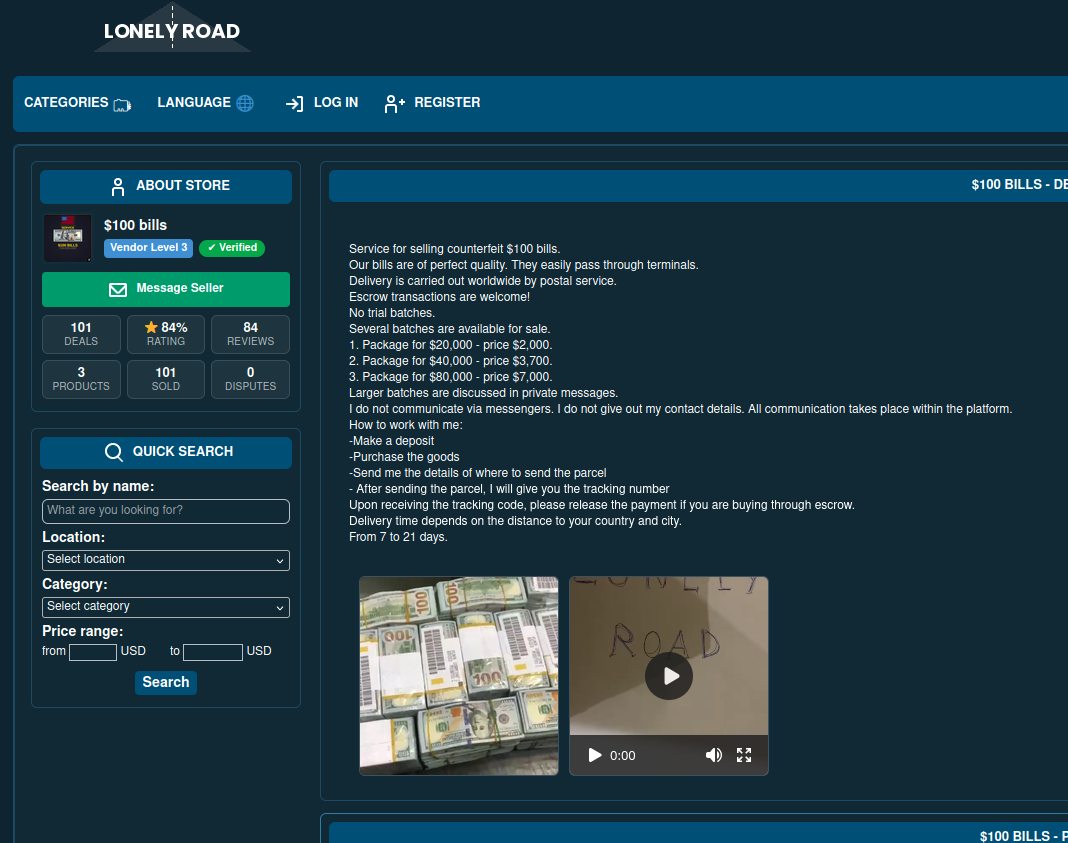 Derek H.'s Dark Web Misadventure: Counterfeit Dollars ExposedLearn how Derek H. bought fake money darknet, tried depositing counterfeit $100 bills via ATMs in Denver, and was arrested by the Secret Se…
 Hidden Wiki Film: Exploring the Dark Side of the InternetDiscover the Hidden Wiki film and explore its portrayal of the dark web, gaining insights into its impact and the realities behind online a…